Conservation Could Save the Planet
Natural climate solutions offer humanity some of the most effective and transformative ways to mitigate and reverse climate change. Carbon farming, kelp forest renewal, the rewetting of dried peatlands, coastal mangrove restoration, tree planting, and other efforts to restore ecosystems serve a dual purpose: sequestering carbon and protecting biodiversity. The Nature Conservancy estimates that a combination of nature-based climate solutions—focused particularly on the regeneration of forests, grasslands, and wetlands—have the potential to deliver up to one-third of the necessary greenhouse gas emissions reductions required to mitigate the most severe consequences of global warming.
In 2022, members of The Convention on Biological Diversity at the fifteenth meeting of the Conference of Parties (COP15) signed onto the Kunming-Montreal Global Biodiversity Framework . This international agreement, created after a four-year consultation and negotiation process, outlined four global targets for 2050 and 23 targets for 2030 to support Sustainable Development Goals and bring humanity back into alignment with nature. One of these targets, known as “30 by 30”, calls for the conservation of 30% of the Earth’s land and waters by 2030—supercharging efforts to invest in natural climate solutions.
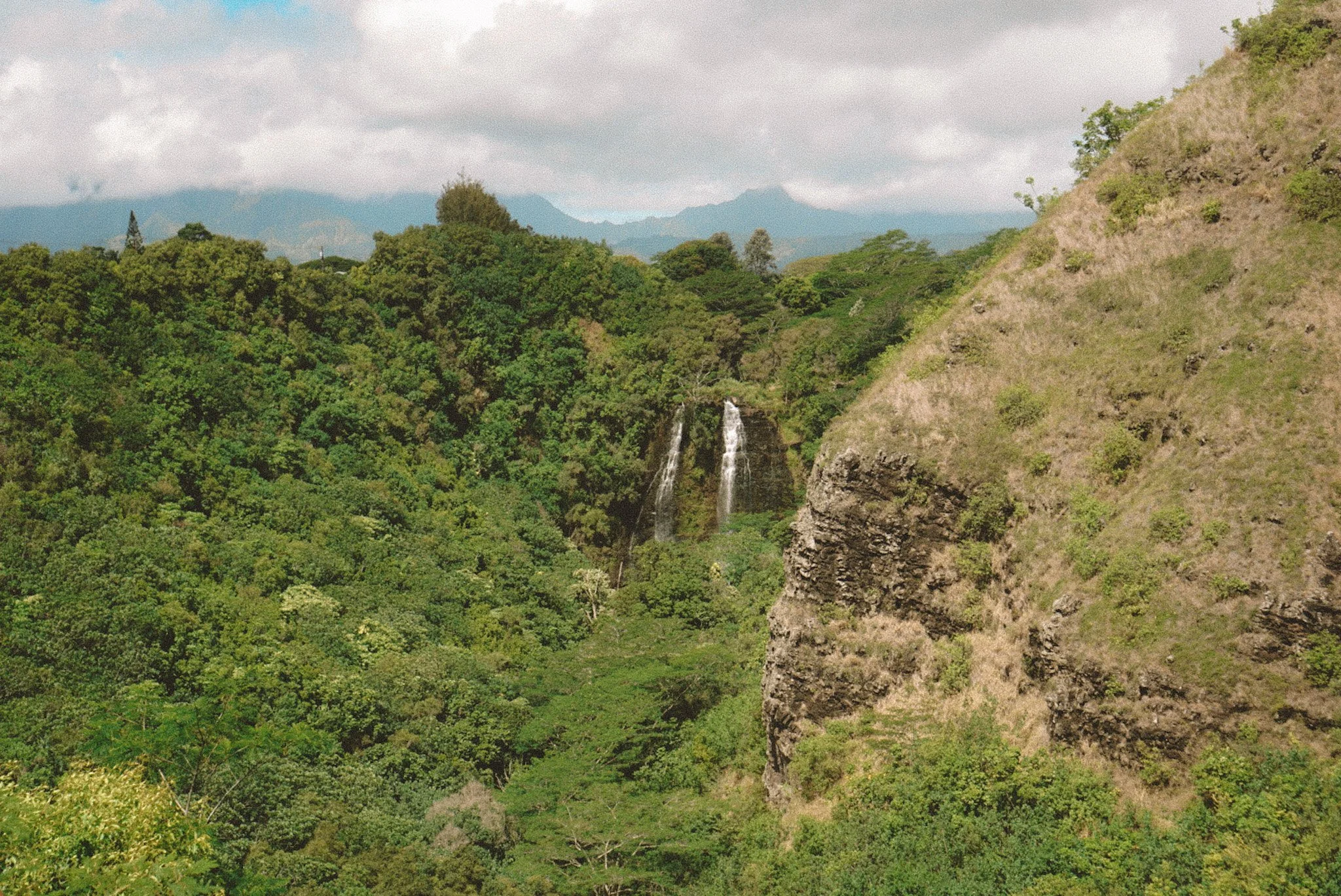
Opaeka'a Falls in Kaua’i
Since the signing of this accord, significant progress has been made. As of 2024, an area twice the size of Colombia had been conserved globally. Beyond the initial signatories, some U.S. states have also signed onto the initiative. Less than a year after Maryland joined the campaign, Governor Wes Moore announced that the state’s goal had already been met. Following the placement of 1.9 million acres of land under permanent protection, Maryland swiftly developed a new target: safeguarding 40% of its land by 2040.
This is the leadership we need for a livable planet. What are the next steps moving forward?
Simply put, we need more land and waters placed under protected status. According to the Protected Planet Report 2024, supported by the United Nations, achieving the objectives articulated in the Kunming-Montreal Global Biodiversity Framework will require a twofold increase in protected terrestrial areas and a threefold expansion of marine conservation zones by 2030. Experts are calling for the preservaton of more maritime regions outside of national jurisdictions (the “high seas”), as well as territories home to high levels of biodiversity. Strategic planning is essential to ensure ecological connectivity among protected areas, facilitating species migration and enhancing overall ecosystem resilience. Nations must uphold the United Nations Declaration on the Rights of Indigenous Peoples, guaranteeing that tribal nations maintain continued access to traditional lands and waters. Equally important is the provision of financial resources to developing countries to fund these initiatives, alongside sustained investment in data collection and monitoring to assess global conservation outcomes.
Interested in learning more about natural climate solutions and helping push for change?
Check out the Convention on Biological Diversity’s summary of the Kunming-Montreal Global Biodiversity Framework (GBF).
Read this Nature Conservancy primer on natural climate solutions.
Stay updated on global progress toward “30 by 30” using this comprehensive tracker.
Join the Regenerate America coalition to advance investments in regenerative agriculture.